 +916265011977
  support@moolmaati.in
Jangarh Singh Shyam: The Artist Who Changed Tribal Art Forever

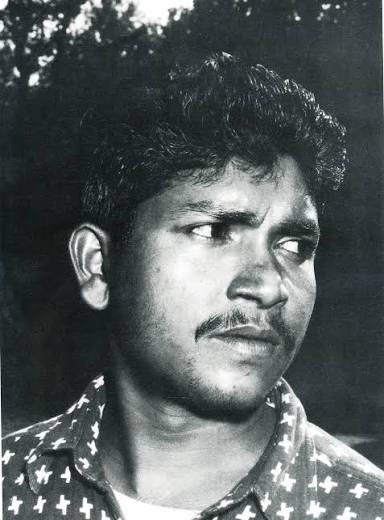
The Visionary Who Took Gond Art to the World
Few artists have transformed an entire art movement the way Jangarh Singh Shyam did. Born in the small tribal village of Patangarh in Madhya Pradesh, Jangarh emerged as a pioneering figure whose creativity redefined how indigenous art was perceived in India and across the globe.
Through his imagination, innovation, and artistic excellence, he carried Gond art beyond the walls of tribal homes and into museums, galleries, and international exhibitions. Today, he is celebrated as one of the most influential tribal artists in modern Indian art history.
Early Life in Patangarh
Jangarh Singh Shyam was born into the Pardhan Gond community, a group known for its rich traditions of storytelling, music, and cultural expression.
Growing up in Patangarh, he was surrounded by forests, wildlife, myths, and ancestral stories that would later become central themes in his artwork. Like many members of his community, he was exposed to traditional forms of painting used during festivals and ceremonies.
These early experiences nurtured his artistic instincts and laid the foundation for a remarkable creative journey.
A Life-Changing Discovery
In the early 1980s, renowned artist and cultural visionary Jagdish Swaminathan visited Patangarh while searching for indigenous artistic talent.
During his visit, he discovered Jangarh’s unique artistic abilities and immediately recognized the originality of his work. Swaminathan invited the young artist to join Bharat Bhavan in Bhopal, one of India’s leading centers for contemporary art.
This opportunity became a turning point in Jangarh’s life.
For the first time, he was introduced to new materials such as paper, canvas, and acrylic paints, allowing him to experiment beyond traditional wall paintings.
Creating a New Artistic Language
Rather than simply replicating traditional motifs, Jangarh developed a distinctive visual style that blended tribal traditions with contemporary artistic expression.
His paintings featured:
- Intricate dots and line patterns
- Vibrant colors and dynamic compositions
- Animals, birds, and mythical creatures
- Forest spirits and ancestral deities
- Imaginary worlds inspired by Gond folklore
Every artwork reflected his deep connection to nature and his community’s oral storytelling traditions.
His innovative approach became so influential that it eventually came to be known as Jangarh Kalam, a unique school of Gond painting named in his honor.
Bringing Gond Art to the Global Stage
Before Jangarh Singh Shyam, tribal art was often viewed as a local craft rather than a form of contemporary fine art.
Through his groundbreaking work, he challenged these perceptions and demonstrated that indigenous artistic traditions could stand alongside the world’s most respected art forms.
His paintings began attracting attention from collectors, curators, and cultural institutions both in India and abroad.
Over time, his work was exhibited internationally, introducing audiences around the world to the richness and sophistication of Gond art.
What started in a small tribal village soon became a globally recognized artistic movement.
Inspiring a Generation of Artists
Perhaps Jangarh’s greatest legacy lies in the countless artists he inspired.
His success encouraged many members of the Patangarh community to pursue painting professionally. Family members, relatives, and fellow villagers followed in his footsteps, creating a thriving network of Gond artists.
Today, many internationally acclaimed Gond painters trace their artistic roots directly or indirectly to Jangarh’s influence.
His contribution transformed Patangarh into one of the most important centers of indigenous art in India.
Art as Cultural Preservation
For Jangarh, painting was more than an artistic practice—it was a way of preserving cultural memory.
His works documented stories, beliefs, and traditions that had been passed down orally for generations. Through visual storytelling, he ensured that Gond mythology and indigenous knowledge would continue to reach new audiences.
In an era of rapid modernization, his art became a powerful tool for safeguarding cultural heritage.
A Lasting Legacy
Although his life was tragically short, Jangarh Singh Shyam’s influence continues to grow.
His artworks remain celebrated in museums, galleries, academic studies, and private collections worldwide. More importantly, the artistic movement he inspired continues to flourish through hundreds of Gond artists who carry forward his vision.
Today, “Jangarh Kalam” is recognized as a landmark contribution to contemporary Indian art and a symbol of the creative strength of indigenous communities.
Why Jangarh Singh Shyam Matters Today
Jangarh’s story is not just about artistic success. It is about recognition, representation, and the power of cultural identity.
He proved that tribal art is not confined to tradition alone—it is a living, evolving, and globally relevant form of expression.
His journey from Patangarh to international acclaim serves as an inspiration for artists everywhere, reminding us that extraordinary creativity can emerge from the most unexpected places.
Conclusion
Jangarh Singh Shyam changed the course of tribal art forever. By transforming traditional Gond painting into a globally respected contemporary art form, he created opportunities for future generations and brought unprecedented visibility to indigenous culture.
His legacy lives on through every Gond painting inspired by his vision, every artist who follows his path, and every story that continues to be told through the vibrant colors and intricate patterns of Gond art.
More than an artist, Jangarh Singh Shyam was a cultural pioneer whose influence continues to shape the future of tribal art around the world.